★
The Rating Game Books
Literary fiction on ratings, algorithms, and power
Books About Library International
Rating Game Book Series character ensemble banner
About the series

A literary series about approval, visibility, control, and the people caught inside the machine.

The Rating Game is not just about publishing. It is about the systems around publishing: stars, algorithms, gatekeeping, reputation, ambition, and the human cost of trying to survive inside structures that decide what matters.

Across the books, writers, editors, strategists, booksellers, and insiders are forced to navigate a culture where visibility is engineered, authority is unstable, and the rules are always changing just fast enough to keep everyone off balance.

Support note

Thank you for your support. Any print purchase made through this site provides a very small commission that helps keep the project going.

Best read in order, the series moves from five-star pressure to engineered discovery, then into deeper questions of control, adaptation, and whether any real champions still exist inside the system.

Start With Book One
Enter the world first

A few of a dynamic dozen and more.

These are not spoilers. They are pressure points inside the series world: writers, editors, strategists, and publishing-adjacent figures whose choices reveal how the machinery really works.
The erased author

Elizabeth Harper

Elizabeth knows what it means to be buried by the system and forced to reappear on its terms. Her presence turns survival into strategy.

The writer who knows too much

J.R. Wolfe

J.R. understands literary prestige, compromise, and what it costs when the industry starts treating talent like a variable instead of a force.

The architect of visibility

Everett Austin

Everett does not write books. He helps shape who rises and who falls. He understands that perception can become infrastructure.
The fallen power broker

Clint Barnett

Clint moves through the industry with insider knowledge and hard-earned damage. He becomes a measure of what the system does to those who help build it.

The question still open

Who saves anyone?

As the series deepens, one question begins to press harder: if champions still exist, will they be human, technological, or something the old system cannot classify at all?

What the series explores

Not just stories. Systems.

The Rating Game is literary fiction about publishing, rating systems, algorithms, visibility, and creative survival. It follows people trying to live, work, publish, and define success inside a culture that increasingly confuses metrics with meaning.

Across the series, stars become more than reviews. They become shorthand for status, permission, access, and identity. What begins as pressure around reputation expands into a broader examination of how institutions decide what rises and what disappears.

Browse the books
Why readers stay

The tension is intellectual and personal.

Readers who connect with The Rating Game usually recognize something deeper than industry commentary. They recognize ambition under pressure. They recognize the seduction of approval. They recognize the emotional cost of trying to stay intact inside a system that rewards adaptation before honesty.

This is fiction for readers who want idea-driven narrative, character tension, moral ambiguity, and a strong sense that the machinery around art matters almost as much as the art itself.

Origin story

How The Rating Game came to exist

The series did not begin as an abstract thought experiment. It emerged from the tension between writing, publishing, discoverability, gatekeeping, and the increasingly visible role of algorithms in shaping attention.

From ratings to infrastructure

What first looked like a story about five-star culture became a story about the full ecosystem around literary value. Reviews were only the visible layer. Beneath them sat platform incentives, corporate logic, algorithmic sorting, strategic visibility, and the quiet emotional discipline demanded of anyone trying to survive in public.

The Rating Game grew by following that deeper truth. Once approval systems start influencing access, they stop being commentary and start becoming infrastructure.

From publishing question to human question

The deeper the series went, the less it was only about books. It became about human beings trying to navigate fast-changing systems without losing their center. That is where the books get their real force.

Beneath the industry pressure is a simpler question: what defines success when the rules are unstable, the incentives are shifting, and visibility can be engineered?

Animated themes

The recurring pressures underneath the books

These cards keep the focus on the larger forces at work without giving away later reveals.

Ratings

Stars promise clarity, but in practice they often compress nuance, flatten response, and turn legitimacy into a number.

Algorithms

Discovery shifts from human enthusiasm to engineered visibility, raising the question of whether fairness survives optimization.

Gatekeeping

Old gatekeepers do not disappear. They mutate, decentralize, and hide behind systems, signals, and strategic approval.

Creative survival

Writers, editors, booksellers, and insiders all adapt differently when the cost of being ignored starts shaping every decision.

Series arc

How the published books move

Book One — The Illusion of Perfection

The five-star economy rises and with it the emotional and professional pressure to appear flawless.

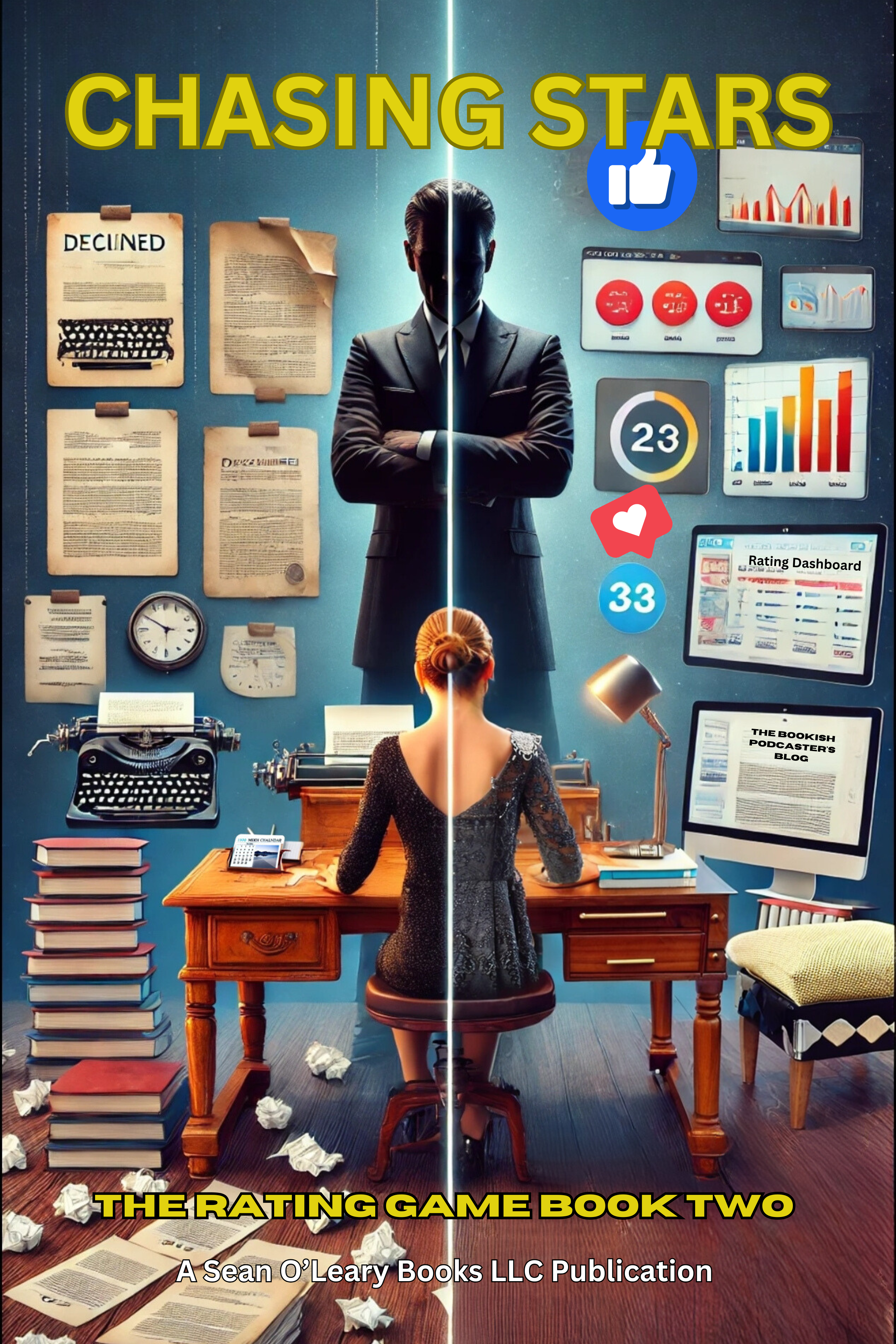
Book Two — Chasing Stars

Discovery becomes more engineered, more strategic, and less innocent than it first appeared.

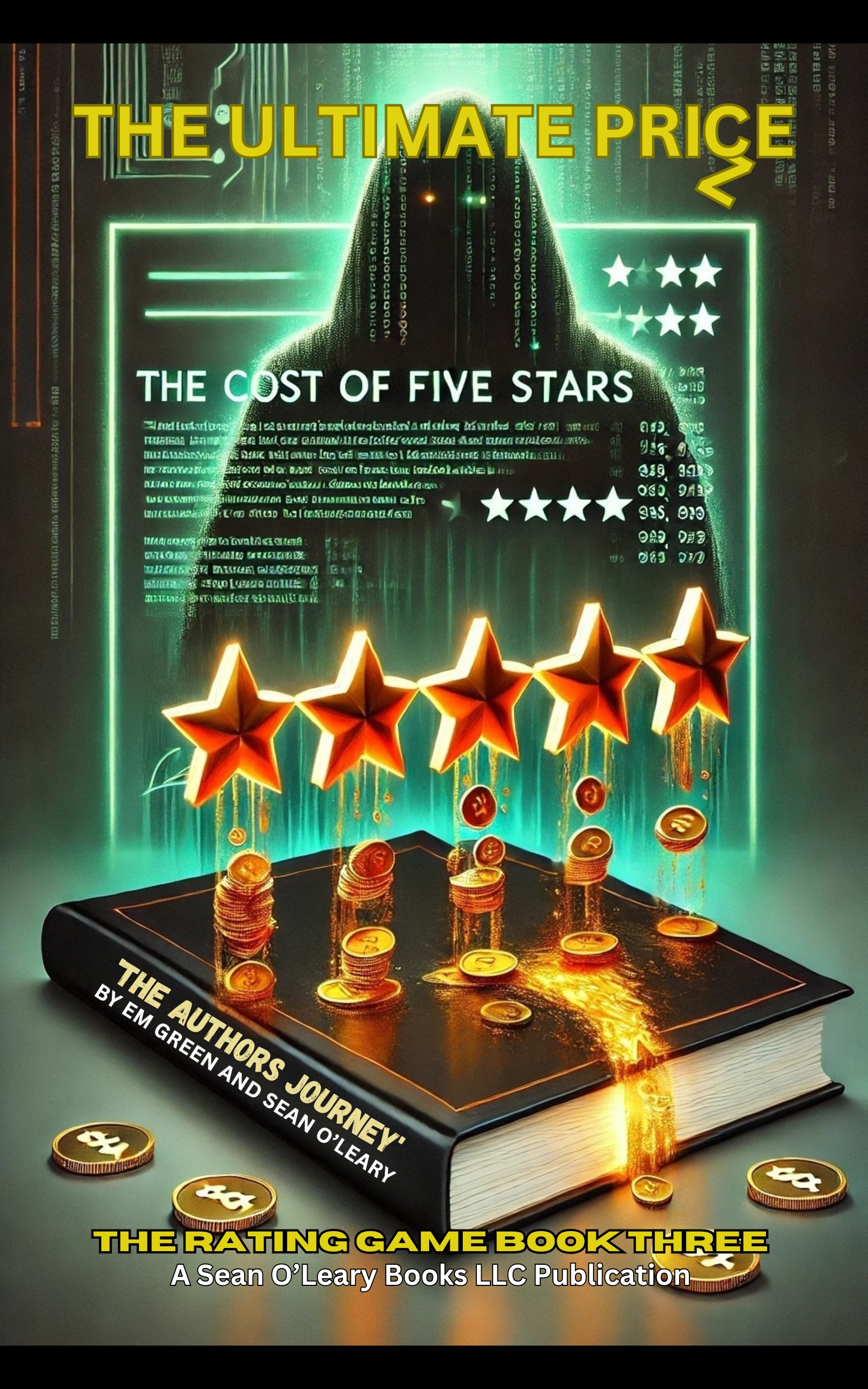
Book Three — The Ultimate Price

The promise of power gives way to the reality of control as the system reveals its deeper terms.

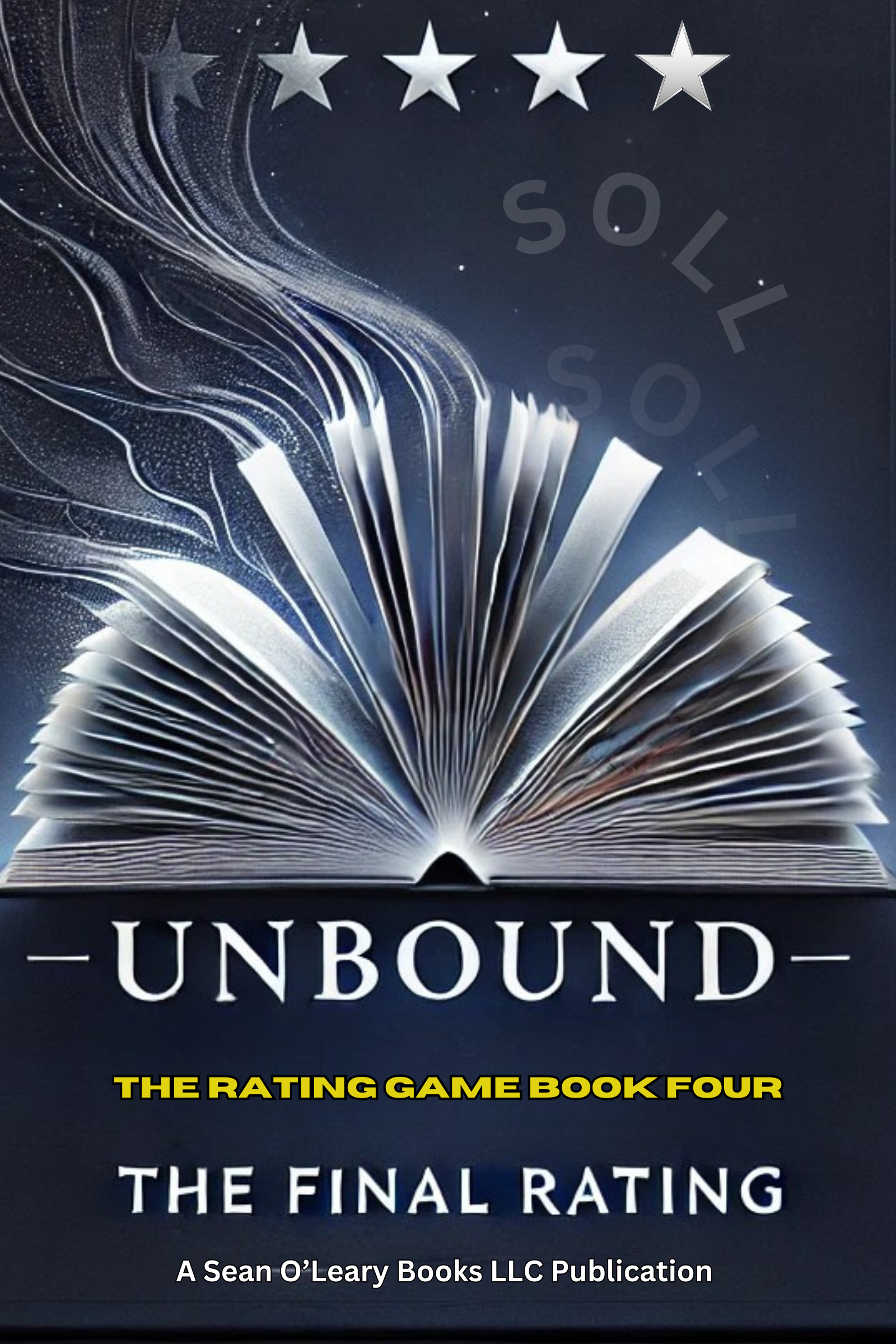
Book Four — Unbound: The Final Rating

Something enters the landscape that the old system cannot comfortably absorb, predict, or frame.

What is being hinted at

Not every answer arrives when the reader expects it.

Part of the series tension comes from the sense that the existing machinery cannot be the end of the story. By the later books, the question is no longer whether the system is broken. The question is whether anything credible can confront it without becoming another version of the same thing.

The books do not rush that answer. They let readers feel the cost of the old order first.

About the authors

The collaboration behind the series

The Rating Game is shaped by a joint creative intelligence rooted in literary construction, systems thinking, publishing reality, and the tension between story and strategy.

Sean O’Leary

Sean O’Leary’s work moves across thrillers, speculative frameworks, morally pressured characters, and stories shaped by consequence. His contribution to The Rating Game strengthens the structural and narrative backbone of the series, especially where power, systems, and human decision-making intersect.

His broader body of work reflects an interest in pressure, identity, resilience, and the moment abstract systems become immediate and personal.

Em Green

Em Green brings the literary, psychological, and industry-aware dimension of the project into sharp focus. The Rating Game carries a strong concern with publishing, visibility, reader culture, evolving platforms, and the lived emotional reality of trying to create meaningful work inside unstable systems.

Together, Em Green and Sean O’Leary built a series that can function as fiction, critique, reflection, and ecosystem-aware storytelling at once.

Library and access

For librarians, readers, and institutions

The library section exists because discoverability should not depend on a single retailer or platform. Public library systems, digital lending, and international channels matter.

Why the library pathway matters

Libraries remain one of the few spaces where readers can encounter books outside pure marketplace logic. For a series like The Rating Game, that matters thematically as much as practically.

The books are positioned for readers interested in literary fiction about publishing, algorithms, rating systems, cultural visibility, and creative power. Library access supports discovery for readers, students, discussion groups, and institutions interested in contemporary literary questions.

Where available, digital library access provides another path into the series alongside print and ebook retail channels.

Book 1 Book 2 Book 3 Pending Book 4

Library availability

Digital availability can support discovery through platforms such as Hoopla, depending on title and region.

Reading order

The series is strongest when read in order, beginning with Book One and moving through the published arc.

International access

Readers outside the United States can use the International page for regional retailer and ebook options.

Discussion value

The books invite conversation about publishing, culture, metrics, gatekeeping, identity, adaptation, and control.

Start here

Read the books. Then read the machinery around them.

Begin with Book One if you want the full progression. Visit the international page if you need regional access. Use the library section if you are approaching the series through institutions, lending systems, or reader communities.

Start With Book One International

The Rating Game Books is the dedicated series site for literary fiction about publishing, ratings, algorithms, ambition, reputation systems, and creative power.

For best experience, begin with Book One and follow the arc in order.

Books About Library International
The Rating Game is a literary fiction series by Em Green and Sean O’Leary about publishing, rating systems, five-star culture, algorithms, creative visibility, gatekeeping, reader discovery, and the meaning of success in a changing literary landscape. The About page introduces the series world, the origin of the project, the authors behind it, the major themes, selected characters including Elizabeth Harper, J.R. Wolfe, Everett Austin, and Clint Barnett, and library access for readers and institutions.

Sign Up For Updates - And The Drama!

The Rating Game series banner

404

You’ve wandered into the wrong chapter.

In the world of The Rating Game, not every path leads where you expect. The page you're looking for may have moved, been rewritten, or never existed in the first place. But the story is still unfolding.

Return to the Homepage
GetResponse